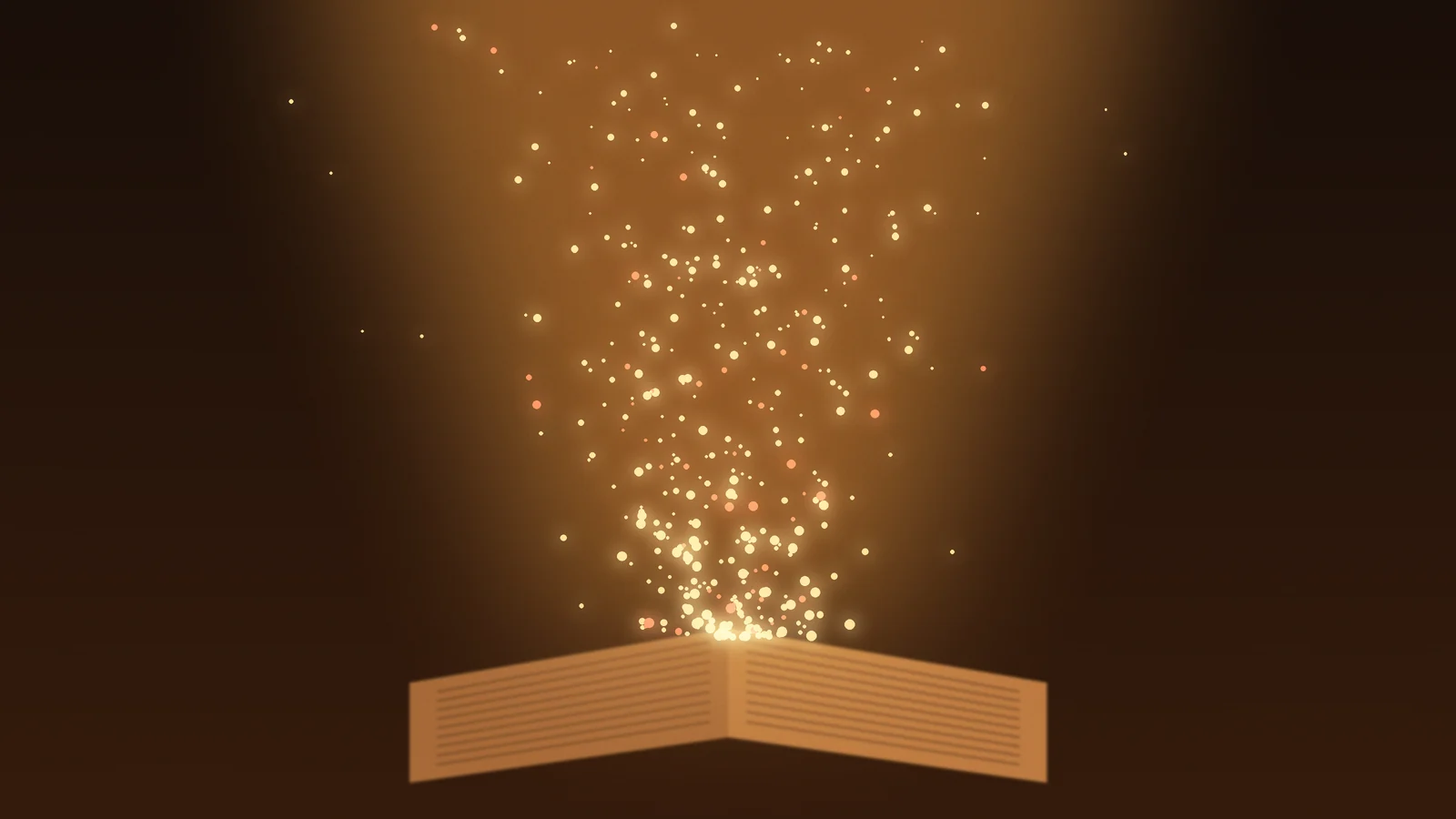
A personal memory model is a system built, with a person’s explicit consent, from material they choose to share: recorded stories, notes, letters, answers to questions, perhaps their way of speaking. The goal is to let others ask questions of that knowledge later, in a form that feels close to how the person would explain it.
We are careful about what this is and is not. It is not the person. It cannot think new thoughts on their behalf, make promises for them, or know things they never shared. At best it is a well-organised, conversational archive that is honest about its sources and its gaps.
Families in Tamil Nadu, like families everywhere, lose a great deal when elders pass on: recipes, village histories, the reasons behind old decisions, the stories that explain who we are. Family businesses lose know-how when a founder retires. Much of this knowledge was never written down and exists only in speech, often in Tamil.
Careful tools could help people record and keep this knowledge on their own terms. Careless tools could cause real harm, from impersonation to emotional dependence. That tension is exactly why we think it deserves serious, public, cautious research rather than a rushed product.
Questions we are working on
- 01What does meaningful consent look like for a memory model, including consent that can be withdrawn and consent about use after death?
- 02Which kinds of material are appropriate to include, and which should be excluded by default (health details, other people’s secrets, financial credentials)?
- 03How can a model clearly separate "what this person actually said" from "what the model is inferring", and show that separation to the listener?
- 04What safeguards stop a memory model from being used to impersonate someone, for example in fraud or voice-cloning scams?
- 05How should families govern access: who can talk to the model, who can edit it, and who can switch it off?
What we have not solved
- We have not built a personal memory model and are not offering one. We are writing down principles and safeguards first.
- We have not solved the grief and dependence questions. We think they need input from people outside engineering.